
Top 10 Architecture Companies in Massachusetts Shaping Design and Innovation
Massachusetts has a rare architectural mix: 18th-century brick streets, world-class universities, dense urban districts, coastal towns, life sciences campuses, and some of the most ambitious public buildings in the country. That makes the state a demanding place to design. Buildings need to respect history, answer strict climate goals, serve complex institutions, and still feel fresh.
The firms below stand out for their influence on that mix. Some are known for civic and cultural work. Others lead in schools, labs, housing, urban planning, or mass timber. Together, they help define how Massachusetts builds, adapts, and thinks about place.
This is not a strict size ranking. The selection weighs design reputation, local impact, notable work, areas of expertise, and recognition from respected architecture and design organizations.
How Massachusetts became a center for design talent
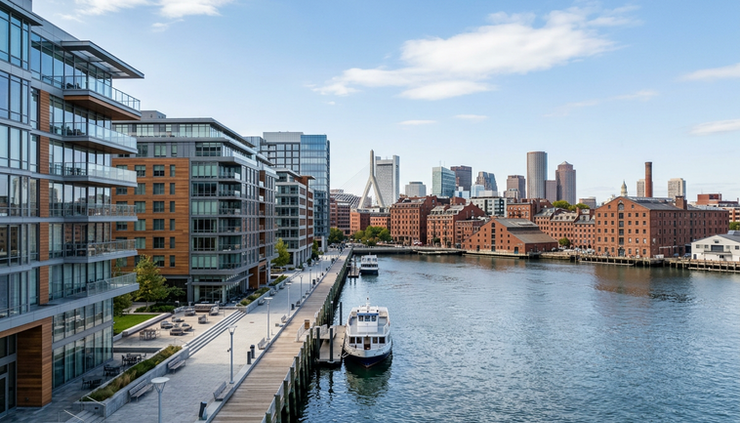
Massachusetts has long attracted architects because the work is unusually varied. A single firm might design a laboratory in Cambridge, a school in Worcester, a library in Boston, and a campus plan in Western Massachusetts. That variety pushes design teams to be flexible and technical at the same time.
Several forces shape the local scene:
Historic preservation
Many projects sit near older buildings or within established neighborhoods, so context matters.
Higher education and research
Colleges, universities, hospitals, and labs create steady demand for advanced planning and technical design.
Climate and waterfront resilience
Boston and many coastal communities face flood risk, rising temperatures, and infrastructure pressure.
Public architecture
Libraries, schools, civic buildings, parks, and transit-related projects give firms a chance to shape daily life.
Digital delivery has also changed how firms work. Architecture, BIM, and digital coordination now sit closer together, especially on hospitals, laboratories, and large mixed-use projects. On complex jobs, VDC can help teams study constructability before work reaches the field.
1. Sasaki
Sasaki is one of the most influential design firms associated with Massachusetts, with a strong presence in Boston and roots in planning, architecture, landscape architecture, and urban design. The firm is known for work that treats buildings as part of larger systems, not as isolated objects.
Its design style is research-driven and highly contextual. Sasaki often looks at movement, ecology, public use, and long-term growth before shaping the physical form. That approach has made the firm especially strong in campus planning, civic districts, parks, and mixed-use environments.
Notable work connected to the firm includes university master plans, waterfront planning, public realm projects, and large-scale urban design efforts in Greater Boston and beyond. Sasaki has also contributed to conversations about climate resilience, inclusive public space, and how campuses can evolve without losing their identity.
The firm has received broad recognition from planning, landscape architecture, and architecture organizations. Its influence in Massachusetts is especially visible in the way many institutions now think beyond single buildings and toward connected, walkable, human-scaled places.
Best known for: campus planning, urban design, civic space, landscape-led architecture, and long-range design strategy.
2. Payette
Payette is a Boston-based firm with a powerful reputation in science, research, healthcare, and academic architecture. Its work often focuses on technically demanding buildings where performance, daylight, collaboration, and comfort all matter.
The firm’s design language tends to be crisp, precise, and deeply tied to building systems. Payette has become known for making laboratories and medical buildings feel less closed off and more humane. That is no small achievement. Research buildings often have strict mechanical and safety requirements, yet the firm’s strongest projects bring in natural light, clear circulation, and meaningful social spaces.
One of Payette’s well-known local projects is the Interdisciplinary Science and Engineering Complex at Northeastern University, a building that shows the firm’s ability to combine complex research needs with a striking urban presence. The firm has also designed major healthcare and academic research facilities in Massachusetts and across the country.
Payette received the American Institute of Architects Architecture Firm Award, one of the profession’s major honors. That recognition reflects both design quality and a long record of technical excellence.
Best known for: laboratories, healthcare buildings, academic research facilities, high-performance envelopes, and technically complex architecture.
3. William Rawn Associates
William Rawn Associates, based in Boston, is known for architecture that feels warm, civic, and carefully tuned to public life. The firm’s work often balances modern design with a strong respect for setting, scale, and material.
Its portfolio includes cultural buildings, libraries, performing arts venues, academic facilities, and housing. The firm is especially good at making buildings that invite people in. Rather than relying on spectacle, many of its projects use proportion, light, wood, brick, and carefully framed views to create a strong sense of welcome.
Notable projects include the Cambridge Public Library expansion and renovation, Seiji Ozawa Hall at Tanglewood, and major academic and performance spaces. These projects have helped shape how Massachusetts communities experience public architecture, from quiet reading rooms to celebrated music venues.
William Rawn Associates received the American Institute of Architects Architecture Firm Award, a major national recognition. The firm’s local importance comes from its patient, humane style and its ability to make civic buildings feel special without losing their everyday usefulness.
Best known for: libraries, performing arts spaces, civic architecture, higher education, and warm modern design.

4. Elkus Manfredi Architects
Elkus Manfredi Architects is a Boston firm with a major role in shaping mixed-use districts, urban housing, retail environments, and hospitality projects. The firm’s work has influenced the look and feel of several major development areas in and around Boston.
Its style is often urban, polished, and people-focused. The firm pays close attention to street life, active ground floors, public passages, and the experience of moving through a district. That makes its work especially relevant in places where architecture, planning, and real estate meet.
Notable work includes Liberty Wharf and significant mixed-use projects in Boston’s Seaport and other urban neighborhoods. The firm has also designed academic, residential, and commercial buildings that contribute to Boston’s growing density.
Elkus Manfredi has received recognition from design and real estate organizations for architecture, planning, and interior environments. Its local contribution lies in helping formerly industrial or underused areas become mixed-use destinations, while raising expectations for urban experience and amenities.
Best known for: mixed-use districts, urban housing, hospitality, retail environments, and large-scale urban redevelopment.
5. CBT Architects
CBT Architects is another major Boston firm with a broad portfolio that spans residential towers, workplace buildings, hospitality, campus projects, and urban design. The firm has played a visible role in the city’s vertical growth and changing skyline.
CBT’s design approach often centers on density, livability, and the relationship between tall buildings and the street. In a city where height, shadows, transit, and neighborhood character can spark strong debate, that skill matters. The firm’s projects often aim to bring housing, public space, and active uses together in compact urban sites.
Notable work includes projects in Boston’s Seaport, North Station area, and other mixed-use districts. The firm has also worked on adaptive reuse and interior environments, giving it a wide view of how buildings perform from the street to the lobby to the upper floors.
CBT has received awards and recognition from local and regional design groups for architecture, interiors, and planning. Its contribution to Massachusetts is clear in the evolving shape of Boston’s urban core and the continuing push for denser, more connected development.
Best known for: high-rise residential design, mixed-use architecture, urban planning, hospitality, and adaptive reuse.
6. Leers Weinzapfel Associates
Leers Weinzapfel Associates is a Boston-based firm respected for thoughtful civic, academic, infrastructure, and technically demanding architecture. The firm has a distinctive ability to make practical buildings feel dignified and expressive.
Its design style often uses strong forms, durable materials, and clear structural ideas. The firm is especially known for bringing architectural care to building types that can easily become purely utilitarian, such as utility plants, laboratories, and campus infrastructure.
A major local example is the Design Building at the University of Massachusetts Amherst, widely recognized for its use of mass timber and its role in advancing lower-carbon academic architecture. The firm also designed important campus and infrastructure projects that show how performance and design quality can work together.
Leers Weinzapfel received the American Institute of Architects Architecture Firm Award, and its projects have earned national and regional honors. In Massachusetts, the firm has helped expand the definition of what public and institutional architecture can be.
Best known for: academic buildings, civic architecture, infrastructure, mass timber, and structure-driven design.

7. Utile
Utile is a Boston design firm known for architecture and urban design that is smart, direct, and closely tied to the public realm. The firm has built a strong reputation by working across scales, from buildings to streetscapes to neighborhood plans.
Its style is often pragmatic but not plain. Utile tends to value clarity, civic purpose, and strong urban thinking. The firm is especially effective when a project involves complicated sites, public process, or the need to connect design with policy.
Notable work includes the Boston Harbor Islands Pavilion and planning or design work tied to housing, resilience, transportation, and public space in the Boston area. The firm has also contributed to urban design guidelines and civic planning efforts that shape how new development meets the street.
Utile has received recognition from local and regional design organizations, especially for civic, urban design, and public realm work. Its contribution to Massachusetts is less about a single signature style and more about raising the quality of everyday urban places.
Best known for: urban design, civic architecture, public space, housing, and policy-informed planning.
8. Machado Silvetti
Machado Silvetti, based in Boston, is known for intellectually rich architecture with strong ties to culture, history, and academic life. The firm’s work often explores how contemporary buildings can speak to older places without copying them.
Its design style is careful, layered, and often sculptural. Materials, proportions, and historical references are handled with precision. That makes the firm especially well suited to museums, libraries, academic buildings, and cultural projects where meaning matters as much as function.
The firm is associated with cultural and academic projects in Massachusetts and beyond, including libraries, museums, and campus buildings. Its work often stands out for architectural depth rather than visual simplicity.
Machado Silvetti has received awards from professional design organizations and has been widely published and studied in architecture circles. The firm’s local contribution includes its role in Boston’s design culture, where practice, teaching, theory, and craft often overlap.
Best known for: cultural buildings, academic architecture, museums, libraries, and historically aware contemporary design.
9. HMFH Architects
HMFH Architects, based in Cambridge, has a strong focus on educational architecture. The firm designs schools, early learning environments, and community-focused academic spaces across Massachusetts and the broader region.
Its work is often colorful, practical, and student-centered. HMFH pays close attention to daylight, flexibility, safety, and the way students and teachers actually use a building during the day. In school design, those details make the difference between a building that simply houses classrooms and one that supports learning.
Notable work includes public school projects in communities such as Cambridge and other Massachusetts cities and towns. The firm has also worked on sustainable school design, renovations, and additions that help districts modernize without losing community identity.
HMFH has received recognition from educational and architectural organizations for school design and planning. Its contribution to the local scene is substantial because public schools are among the most important civic buildings in any community. Good school architecture affects families every day.
Best known for: K-12 schools, early education, public learning environments, sustainable school design, and community-based planning.
10. Flansburgh Architects
Flansburgh Architects is a Boston firm with a long record in educational, cultural, and institutional design. The firm has worked with schools and communities in Massachusetts and internationally, giving it a broad perspective on how learning environments should function.
Its design style is often clear, durable, and tailored to each school’s educational mission. The firm tends to focus on planning, circulation, daylight, gathering spaces, and the relationship between classrooms and shared areas. That approach suits both new campuses and renovations.
In Massachusetts, Flansburgh has contributed to school and civic projects that support arts education, community gathering, and modern learning. The firm’s work often centers on the idea that educational buildings should be flexible, welcoming, and easy to navigate.
Flansburgh has received recognition for school and institutional design from architecture and education-focused organizations. Its value to the Massachusetts design scene comes from steady, specialized work in places where architecture directly supports young people and public life.
Best known for: educational architecture, arts learning spaces, institutional buildings, campus planning, and community-centered design.
A quick comparison of the top firms
Firm | Massachusetts presence | Standout expertise | Design character |
Sasaki | Boston area | Planning, campuses, public realm | Research-driven and place-focused |
Payette | Boston | Labs, healthcare, higher education | Technical, precise, high-performance |
William Rawn Associates | Boston | Libraries, arts, civic buildings | Warm, humane, inviting |
Elkus Manfredi Architects | Boston | Mixed-use districts and urban housing | Polished and street-oriented |
CBT Architects | Boston | Towers, hospitality, urban development | Dense, modern, city-focused |
Leers Weinzapfel Associates | Boston | Civic, academic, infrastructure | Strong, material-rich, structural |
Utile | Boston | Urban design, housing, public space | Practical, civic, clear |
Machado Silvetti | Boston | Cultural and academic buildings | Layered, thoughtful, historical |
HMFH Architects | Cambridge | K-12 schools | Student-centered and flexible |
Flansburgh Architects | Boston | Education and institutional design | Durable, clear, mission-focused |
What these firms reveal about design in Massachusetts
The strongest architecture firms in Massachusetts do more than make attractive buildings. They solve local problems that are hard to separate from design.
A laboratory in Cambridge must perform at a high technical level, while still fitting a dense neighborhood. A school in a smaller city must serve students, teachers, families, and public meetings. A waterfront project must consider public access, flood risk, transportation, and long-term maintenance. A historic renovation must respect what exists while giving the building a useful future.
That is why the state’s best firms tend to share several traits:
They work across disciplines
Architecture often connects with landscape design, engineering, planning, interiors, and community engagement.
They understand institutions
Universities, hospitals, schools, and civic clients need buildings that last and adapt.
They respect context
Massachusetts rewards firms that can design new work without ignoring history.
They balance design and performance
Energy use, comfort, durability, and maintenance are part of the design conversation from the start.
They shape public life
Many of the best projects are not private showpieces. They are libraries, schools, academic buildings, plazas, and streets that people use daily.
FAQ
Which Massachusetts architecture firm is best for laboratory or healthcare design?
Payette is especially well known for laboratory, healthcare, and academic research buildings. The firm has a strong reputation for handling complex technical requirements while creating clear, comfortable spaces.
Which firms are best known for civic or public buildings?
William Rawn Associates, Leers Weinzapfel Associates, Utile, and Sasaki all have strong civic portfolios. Their work often includes libraries, public spaces, campuses, infrastructure, and community-focused architecture.
Are these firms only active in Massachusetts?
No. Many of these firms are based in Massachusetts or have a major presence there, but they work nationally and, in some cases, internationally. Their local influence remains strong because of their work in Boston, Cambridge, university towns, and public communities across the state.
What type of architecture is Massachusetts known for today?
Massachusetts is known for a mix of historic preservation, academic buildings, research facilities, public architecture, urban housing, waterfront planning, and climate-conscious design. The best projects often combine old and new rather than treating them as separate worlds.
How should someone choose an architecture firm in Massachusetts?
Start with the project type. A school, lab, library, housing project, or urban plan each calls for different experience. Then review completed projects, design approach, technical strengths, and how well the firm understands local approvals, community needs, and long-term building performance.
The takeaway
Massachusetts architecture succeeds when it connects design ambition with local responsibility. The firms on this list show that range clearly. Some lead through technical mastery. Some shape public life through schools, libraries, and civic spaces. Others guide the growth of whole districts.
For anyone interested in architecture and design, Massachusetts offers a useful lesson: the best buildings do not stand apart from their surroundings. They improve the places around them, support the people who use them, and give communities room to change without losing their character.


